Thief (1981): Burn The System To The Ground
Through Frank’s story, the film rejects bureaucratic institutions, extols the virtues of self-reliance and promotes a libertarian capitalist ideology.
Although the choice is difficult, what I like most about Thief are its brilliant opening scenes. No prologue. No dialogue. No overwrought title sequence. Just a gradual fade-in, punctuated by the sound of falling rain. As the synth picks up and our perspective broadens, we know by the elevated trains we’re in Chicago.
As a massive fan of Drive (2011), I am predisposed to this position. But homage is not the only reason director Nicolas Winding Refn chose to open Drive in similar fashion. Watching Frank crack the safe tells us more about his character then expository dialogue ever could.
Frank is brave, meticulous and determined. When he finally manages to crack the lock, we watch him toss aside the other valuables as he searches for the loot he really wants. Jewellery, cash, gold—he could have stolen everything inside the safe. But Frank is only there for one thing: uncut diamonds. Easily hidden. Easily fenced. Unbreakable, like him.
In other words, the robbery that opens Thief is a metaphor for Frank himself. He knows exactly what he wants, he’s willing to do anything to get it, and he won’t settle for anything less. Like all Film Noir protagonists, Frank’s character traits are embodied by his actions.
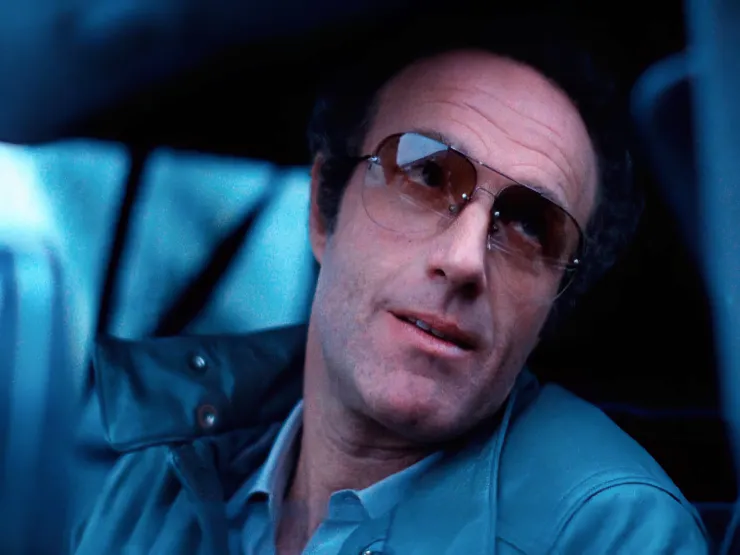
Prone to outbursts and impassioned soliloquies, Caan’s Frank lands somewhere between Al Pacino’s manic Vincent Hanna and Robert De Niro’s deadpan tough-guy Neil McCauley in Mann’s 1995 masterpiece, Heat.
There are times when Frank seems too detached to really want a wife, a child, or anything but money. You wonder briefly if what Frank really lives for is the thrill of the heist, if he is even capable of going straight. But when you watch Caan’s performance to completion, you realize how well he expresses this dichotomy.
After all, the movie is called Thief for a reason. No matter what Frank does, or how much money he accumulates, a thief is all this world will ever let him be.
Michael Mann is so damn good at structuring his films, it’s easy to take that skill for granted. His stories draw you in quite quickly, and by the time you acknowledge your own investment in the plot, you realize the movie’s almost over. Consider the sheer number of narrative loops he opens during Thief’s tight first act:
- Through the opening robbery, we learn that Frank’s an expert thief. We also glimpse his partner, Barry (Jim Belushi).
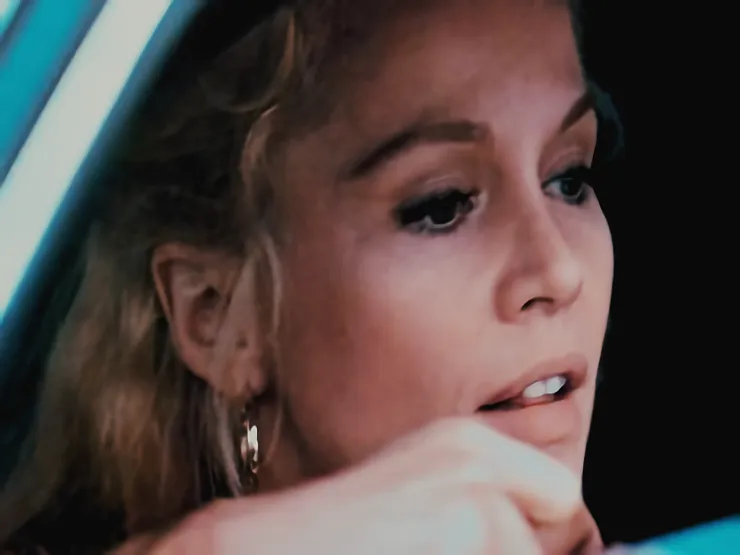
- At the diner, we meet Frank’s fence, Joe Gags. We also learn what he stole: uncut diamonds., worth $175,000 on the street. As he pays his bill, we also notice Frank eyeballing Jessie (Tuesday Weld), the waitress who becomes his love interest in Act Two.
- After Gags jumps off a building, we find out Frank’s money has been re-directed. The retrieval of these funds is how Frank is introduced to Leo (Robert Prosky), the mobster that he foolishly agrees to work for. Extricating himself from this arrangement becomes Frank’s primary motivation in the film’s third act.
- At the prison, we meet Okla (Willie Nelson), Frank’s mentor and former cellmate. Along with the dynamics of his relationship with Jessie, Okla’s declining health and eventual death becomes an aggravating factor early in act three, foreshadowing Frank’s self-implosion as he tries to free himself from Mafia servitude.
- Finally, at the meet-up with Leo, we learn the mob (and subsequently Frank) is being surveilled by a team of corrupt police detectives. This plot-line provides tension and misdirection during the build-up to Thief’s thrilling third act climax.
Rather incredibly, all these loops open within the film’s first thirty minutes. This allows Mann to spend the “long” second act deepening the emotional complexity of his characters, raising the stakes, and making sure we identify with Frank’s predicament despite his criminal past.
I think what I respect most about these choices is that every narrative loop corresponds perfectly with the postcard sized collage that Frank keeps folded in his wallet. While the collage is the film’s most overt symbol, it’s also a physical reminder of Frank’s most redeeming quality: in spite of everything, he never loses hope.
Like all great films, if you watch Thief with the sound turned off, you can still understand exactly what is going on. Now if only Mann had followed his own blueprint in the unwatchable 2023 disaster, Ferrari…
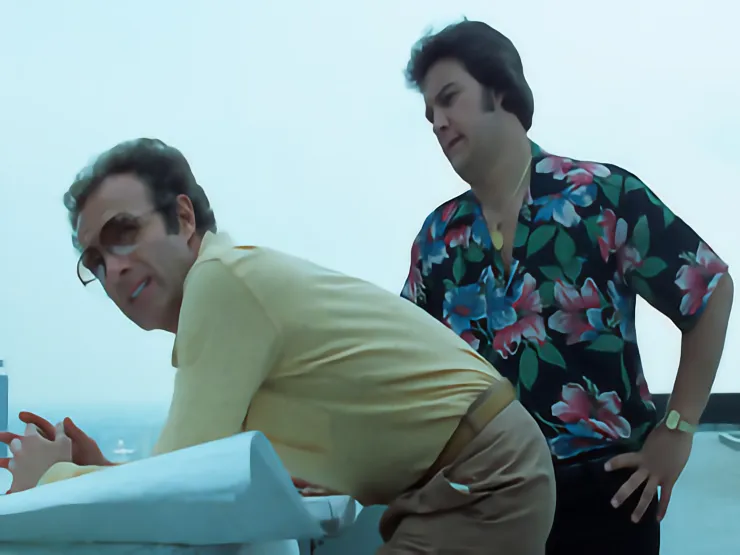
Many online pundits have suggested Thief’s subtext is rooted in Marxist theory. I suspect this notion was derived from Frank’s tense third act conversation with Leo, in which he refers to the surplus value of his labour. Having said that, I completely disagree with this interpretation.
If Frank is anything, he’s a capitalist. He runs three different businesses. He believes in the (very) free movement of capital and goods. He measures his success in dollars and cents. His disdain for bureaucratic institutions is present for the entirety of the film.
Personally, I think Thief is really about the horrors of the administrative state. Throughout the film, and in his life outside the confines of the story, Frank is continually punished by corrupt bureaucracies.
As a child, he’s abandoned by his parents and raised inside an uncaring state orphanage. As a young man, he’s sent to prison for a trivial crime. In prison, he’s mentally and physically brutalized within the very institution responsible for his rehabilitation. Upon his release, he’s left to flounder, forced to navigate adulthood completely via trial and error.
As the plot unfolds, we watch Frank navigate another set of failing systems. The prison that refuses to release his ailing mentor. The slimy judge that needs a bribe before he’ll overturn the ruling. The adoption agency that claims he’s unfit to be a parent. And finally, after all Frank’s efforts, the hospital that can’t revive his dying friend.
But Frank beats the odds. He even pays his taxes. And just as he’s about to go straight, he’s forced into service by the mob and exploited by corrupt policemen.
In other words, the collective is what made Frank into a slave. The thing only thing that saves him is his rugged individualism: the power of a sovereign man to take decisive action and bear the consequences.
Thief is thus a condemnation of American decline. In the end, Frank achieves salvation only when he steps outside the rules that govern his relationship with systems. He burns his possessions. He abandons his family. He murders anyone that may pose a threat. He is only safe from harm when he completely severs his relationships with others: people, groups, the government and society at large.
Through Frank’s story, Thief rejects bureaucratic institutions, extols the virtues of self-reliance and promotes a libertarian capitalist ideology.
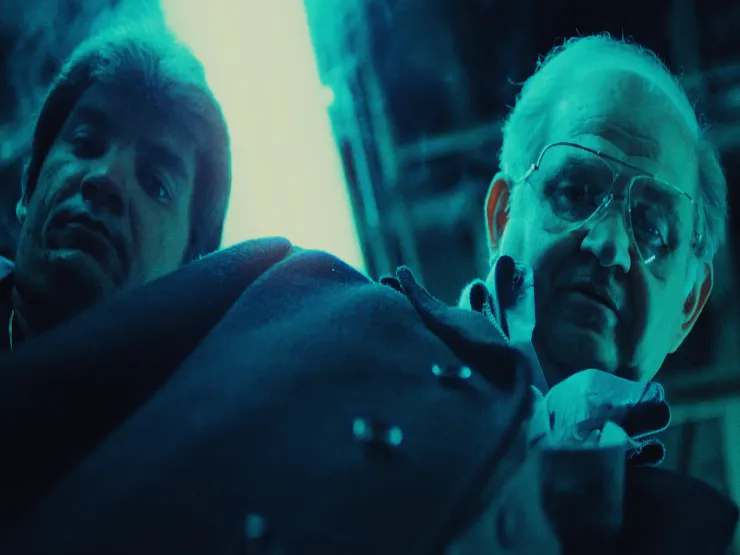
Unlike Heat (1995), we watch the story unfold strictly from Frank’s point of view. Aside from his small crew, every other character is an enemy: his handlers, the crooked cops, the mob. They circle him like sharks, waiting until he pulls a heist so they can snatch a bite for themselves. There are no good guys in Thief. Everyone is rotten. Everyone is damaged. Everyone is on the take.
Frank is the classic Film Noir Anti-Hero: not quite good, not quite bad, trying in his own specific way to transcend the limitations of his circumstances. As much the product of an unfair system as he is his own decisions, Frank is not unlike Mersault in Albert Camus’s The Stranger (1942).
While paying tribute to established tropes, Thief’s ending also expands the genre.
As fans of Noir, we’re already familiar with the lose/lose ending. We know the Film Noir hero must ultimately choose between two bad options.
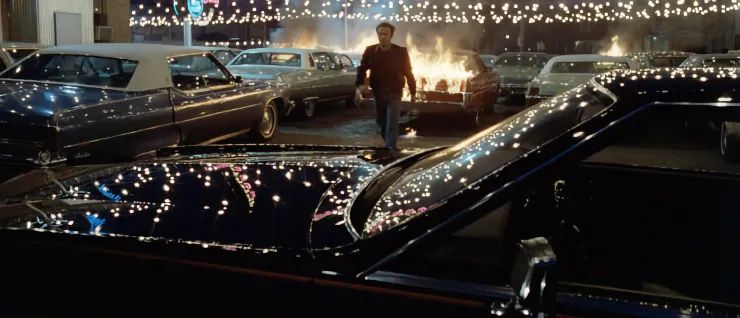
In Thief, Michael Mann ups the ante. Frank becomes subservient to the mob precisely just as he achieves his dream: he finally has money, security, and a family. But when they threatens to take those things away from him, instead of doing what he’s told, Frank razes his entire life to the ground himself. He sends away his wife and child. He blows up his own house. He burns down his bar and sets fire to his used car inventory.
Frank chooses to lose. No one else controls his destiny but him. He hurts himself worse than anyone can hurt him. Only then does he achieve true freedom.
That’s all for now.
See you in the movies,
Tod
© Copyright Debtford Press 2026. All rights reserved.