The Third Man (1949): Those Dots Don’t Look Like People
No film embodies the style and substance of the classic Film Noir period better than 'The Third Man.'

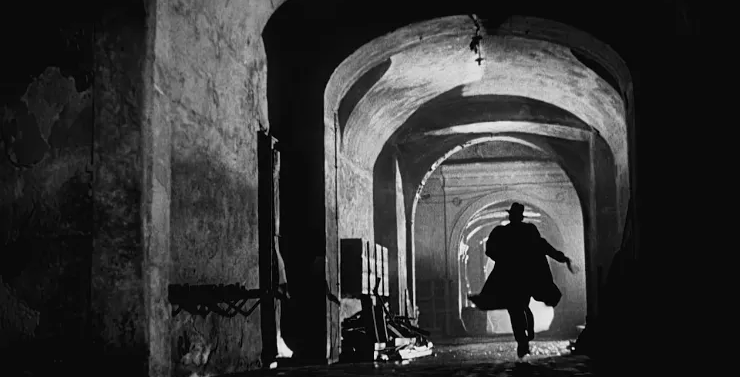
At the risk sounding obvious, no film embodies the style and substance of the classic Film Noir period better than The Third Man.
In this respect, it reminds me of Scarface (1932). No matter how much time passes, or how many more movies are made, when you think of a gangster film, you will think of Scarface. Period.
The same is true of The Third Man. Speaking retroactively, The Third Man does not owe its legacy to Film Noir. Film Noir owes its legacy to The Third Man.
Beyond these platitudes, the film contains two of the most iconic scenes in Noir: the “Ferris Wheel Scene” and the “Sewer Scene.”
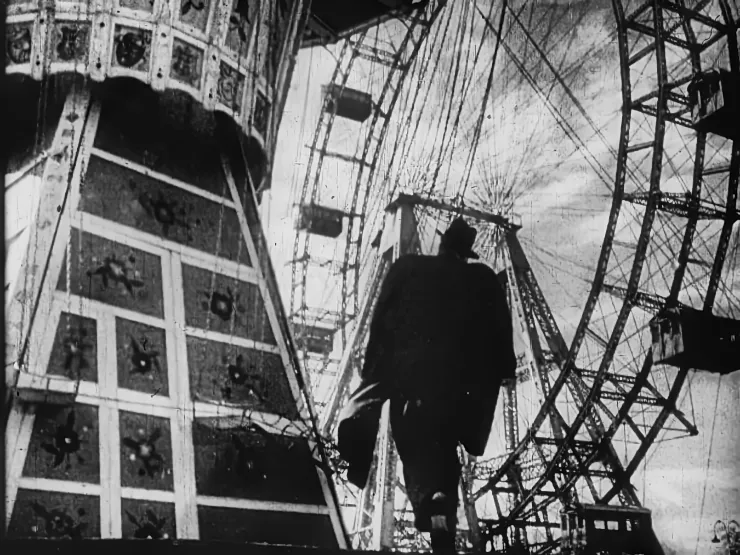
Perhaps The Third Man’s most cynical metaphor, the ferris wheel scene is also its most brutal. As a meeting place, the wheel evokes memories of childhood wonder. What better location for a long-anticipated reunion between these boyhood friends?
Ultimately, the ferris wheel represents the inevitable circularity of human history. The liberator becomes the oppressor. The occupied become occupiers. Victims of genocide commit new genocides of their own—often in the name of self-defence.
As they ride the giant wheel, Lime explains his worldview. He seems perfectly at ease with his decisions. He expresses no remorse. He looks down upon the people of Vienna and muses that they “look like dots:”
“Victims? Don’t be melodramatic. Look down there. Tell me. Would you really feel any pity is one of those dots stopped moving forever? If I offered you twenty thousand pounds for every dot that stopped, would you really, old man, tell me to keep my money, or would you calculate how many dots you could afford to spare?”
This is not a metaphor for altitude. This is Lime’s confession. He doesn’t consider his victims to be human beings. He thinks of them as faceless units. Profit vectors. Expendable. Exploitable. Replaceable. Lime is firmly in the grip of a fascistic capitalist ideology.